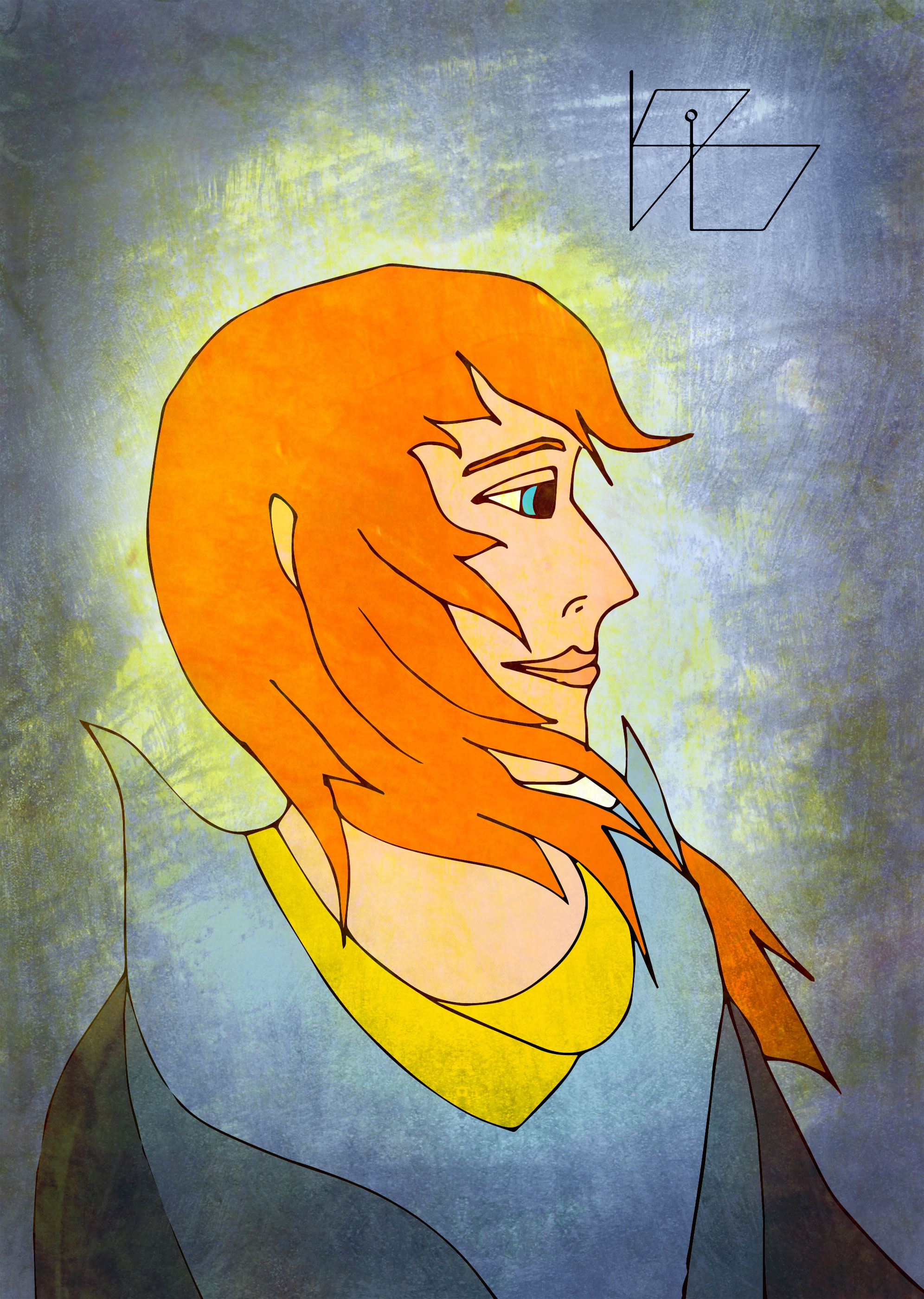
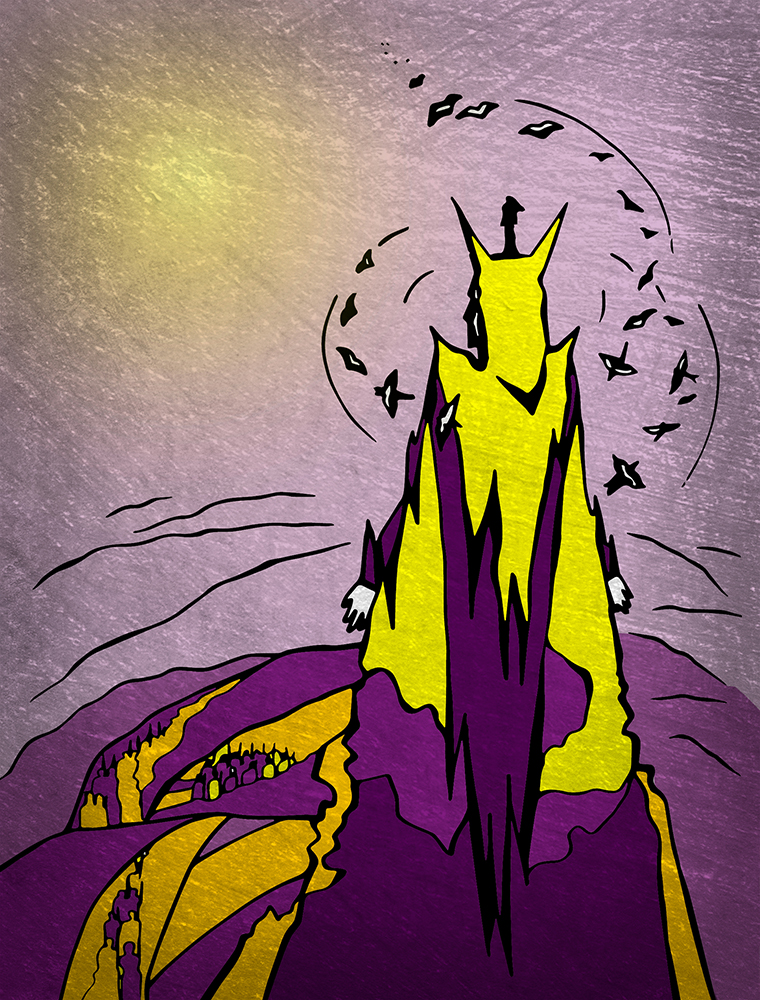
Alina Petrova defines her artistic style as esoteric neo-symbolism. Working primarily in digital art, she weaves a tapestry of layered occult meanings into her creations. While these mystical references may remain hidden to the uninitiated viewer, they are far from absent. Her work subtly incorporates echoes of Kabbalah, Masonic ideas, Gnosticism, and the Enochian magic of John Dee and Edward Kelley.
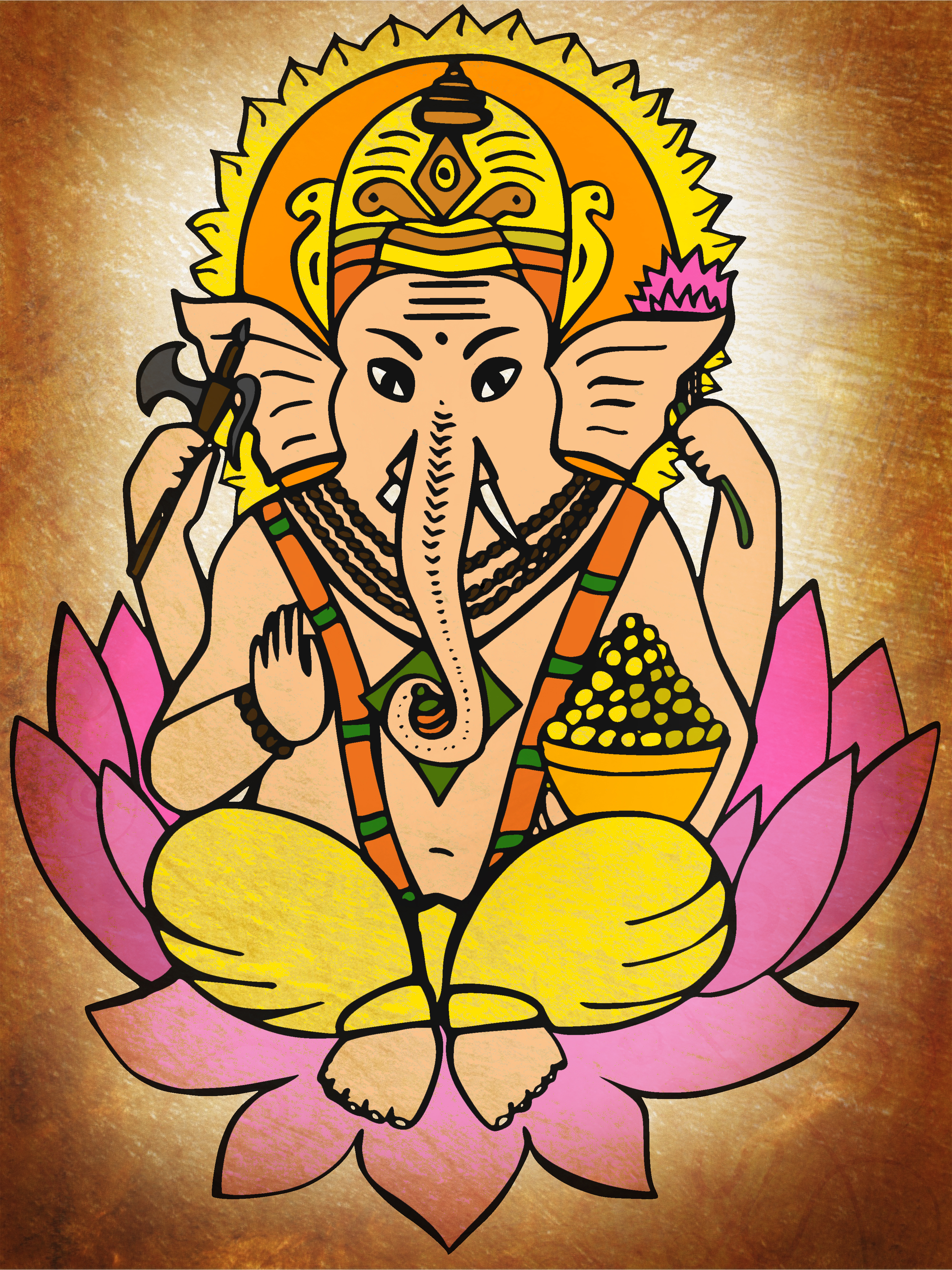
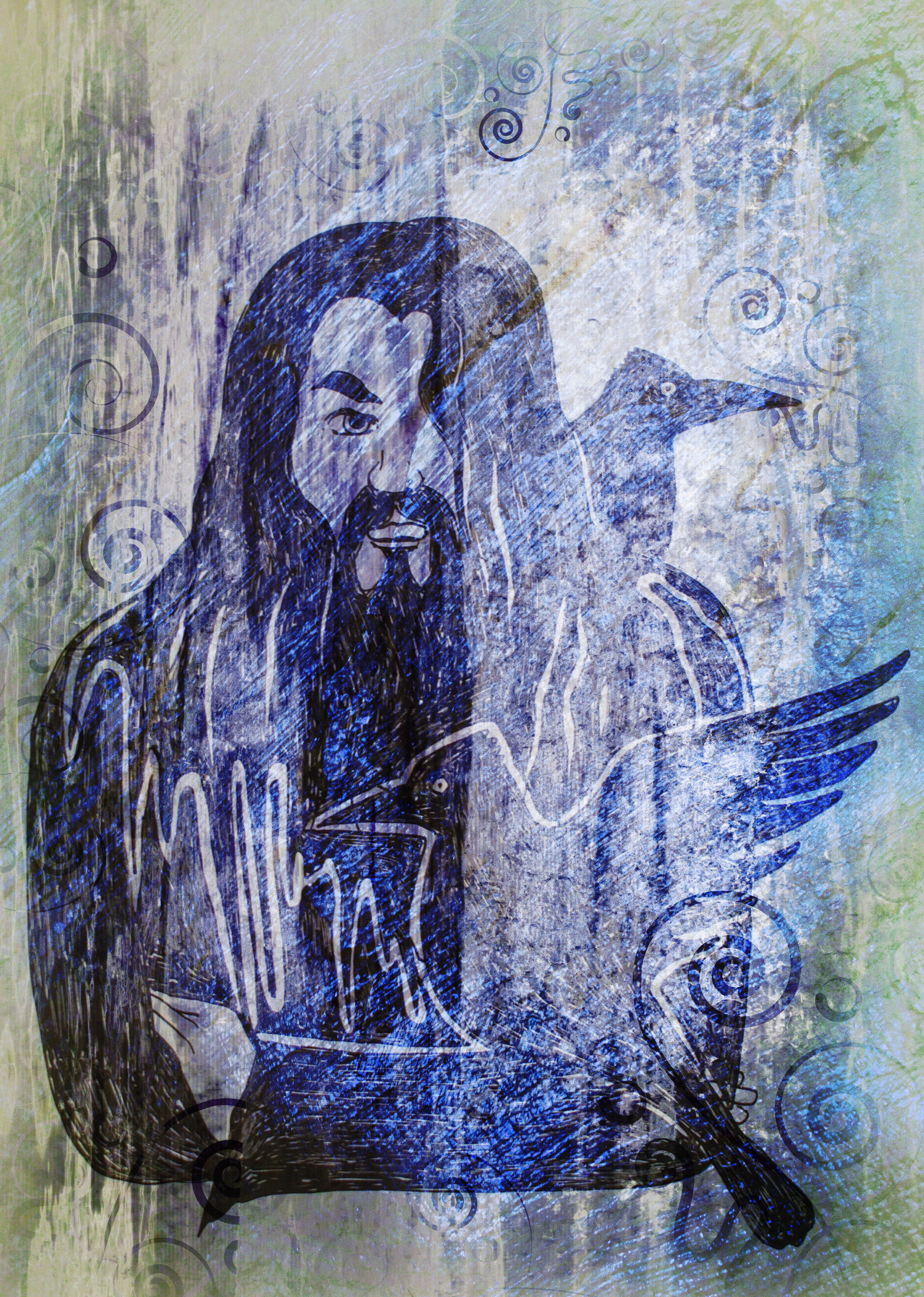
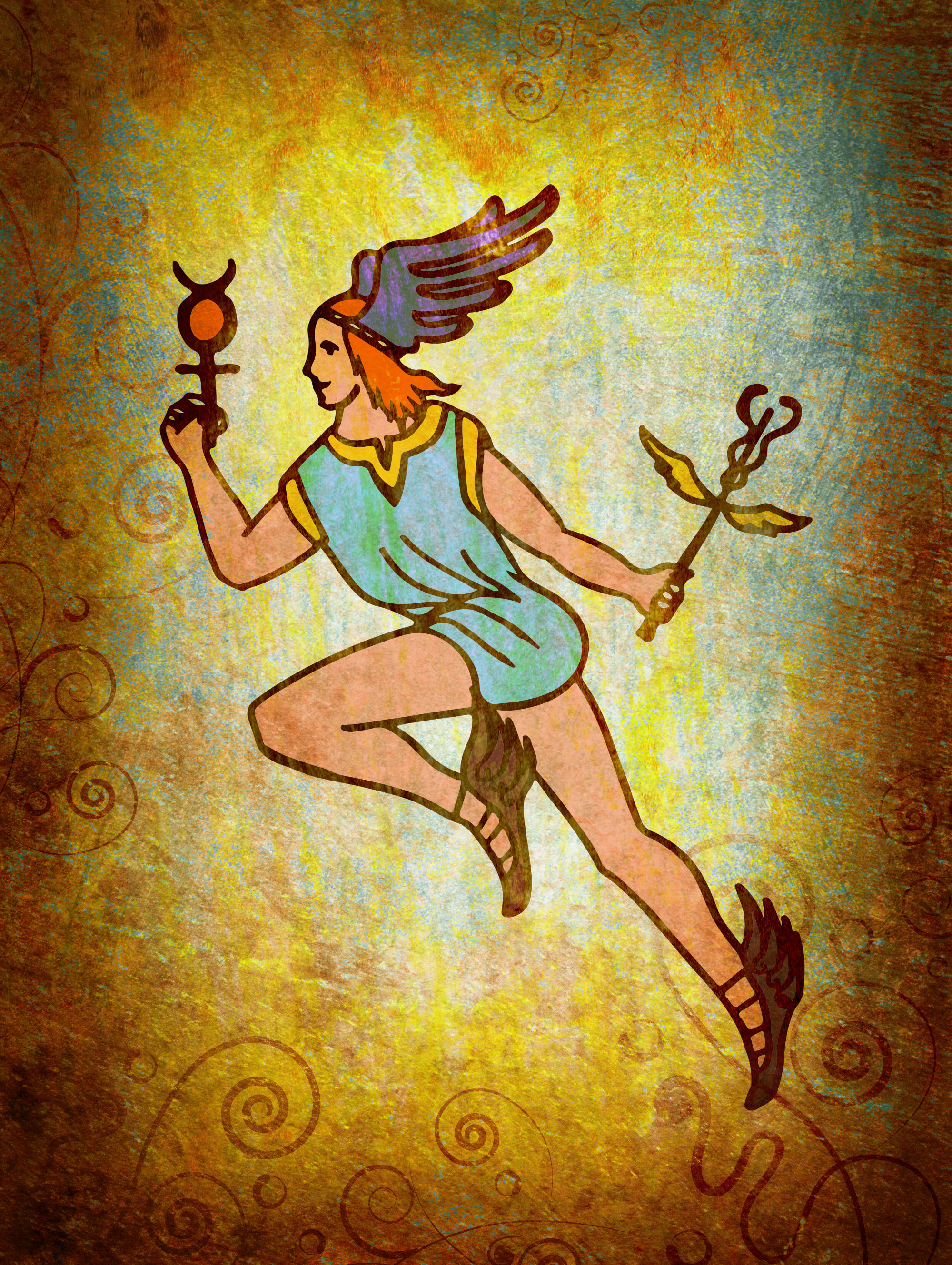
Her fascination spans the mythologies and spiritual traditions of Scandinavia, Egypt, Greece, India, the Celtic world, Japan, and beyond — any fragment of cultural memory is a potential source of inspiration. The aim of her pagan iconography is not to imitate Christian icons, but to express divine forms without fixed canon — for in paganism, no single truth reigns; each person brings their own.
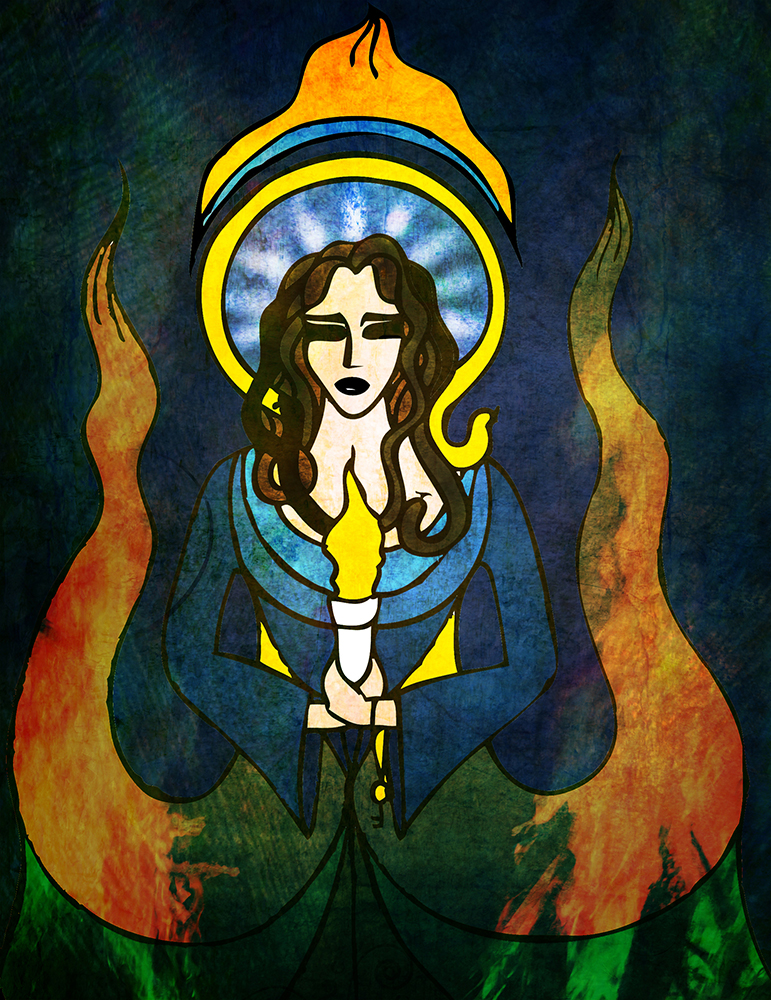
Petrova’s early influences include the decadent inkwork of Aubrey Beardsley and the occult illustrations of Austin Osman Spare and Andrew D. Chumbley. Over time, she moved from stark black-and-white to vivid color, each hue and detail carrying its own significance. One might notice the exact number of strands in a goddess’s hair or the blades of grass beneath her feet — nothing is incidental.
Feminine divinity is a recurring theme, with goddesses from diverse pantheons brought to life in intricate symbolic compositions. Color correspondences, esoteric codes, and hidden signs abound, enriching the viewer’s experience for those attuned to deeper layers.
In her work, Alina resurrects forgotten gods from the dusty pages of mythology, granting them form and life. For, as Neil Gaiman once suggested, gods live as long as we remember them. Through her images, even the ethereal Sephiroth of the Tree of Life take visible form: Binah gazes at the viewer with a solemnity that compels one to look away, while Da’at, the “nonexistent” sephira, becomes a girl lost in the shock of sudden enlightenment.
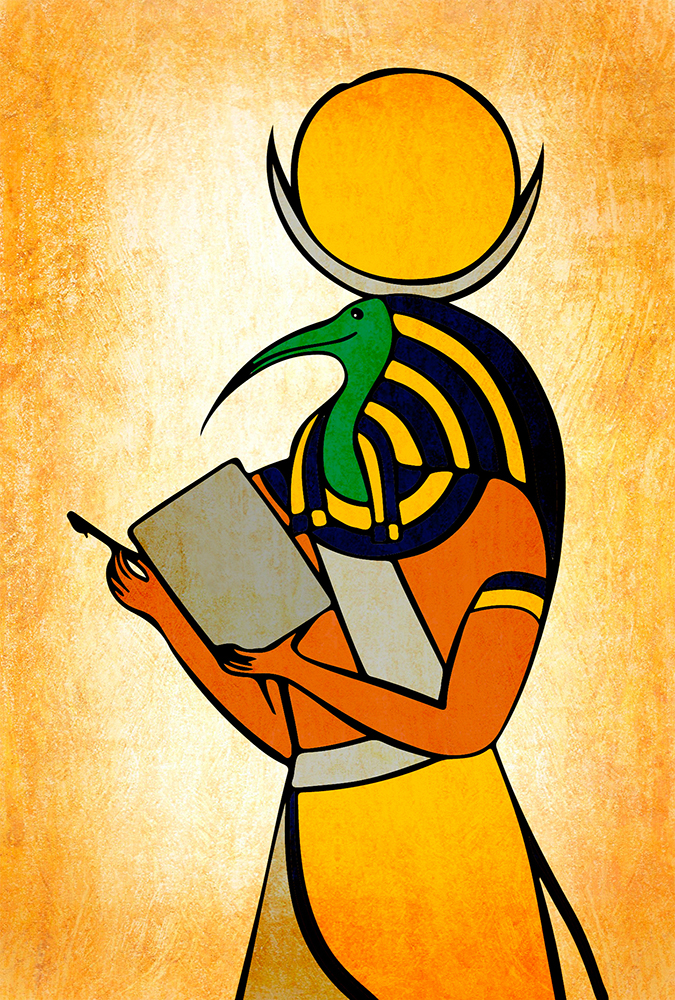
But this ethereal world is not devoid of humor — quite the contrary. Inspired by Bakhtin’s concept of the “carnivalesque,” Petrova blends the sacred with the profane. The Egyptian god Thoth appears as a modern techie with a tablet; his rival Set dons a flashy suit and a smartphone. Kali drinks wine and smokes weed with no concern for the judgment of mortals, and Indra wields a vajra in one hand and ice cream in the other — benevolent, amused, and strikingly contemporary.
Her Tarot allusions are similarly playful: the Fool, in a gender-fluid outfit, bares his root chakra to the Magician with gleeful irreverence. Here, sacred and profane dissolve into one — distinctions blur, boundaries vanish, and nothing is forbidden.
By summoning gods from myth into the present through digital form, the artist gives them flesh. Each image is an act of divine embodiment, echoing ancient Egyptian magical practices. Thus, the artist becomes a Temple of All Gods — a vessel through which the divine flows. In the moment of creation, the boundary between subject and object dissolves. The deity reveals itself through the artist’s hands.